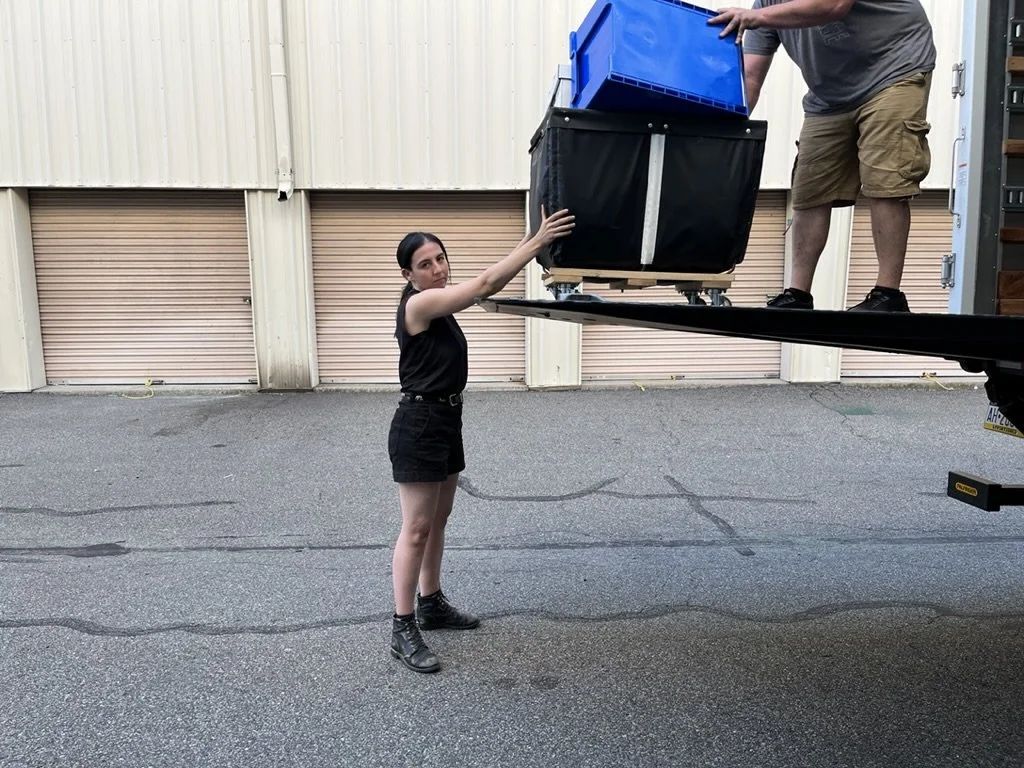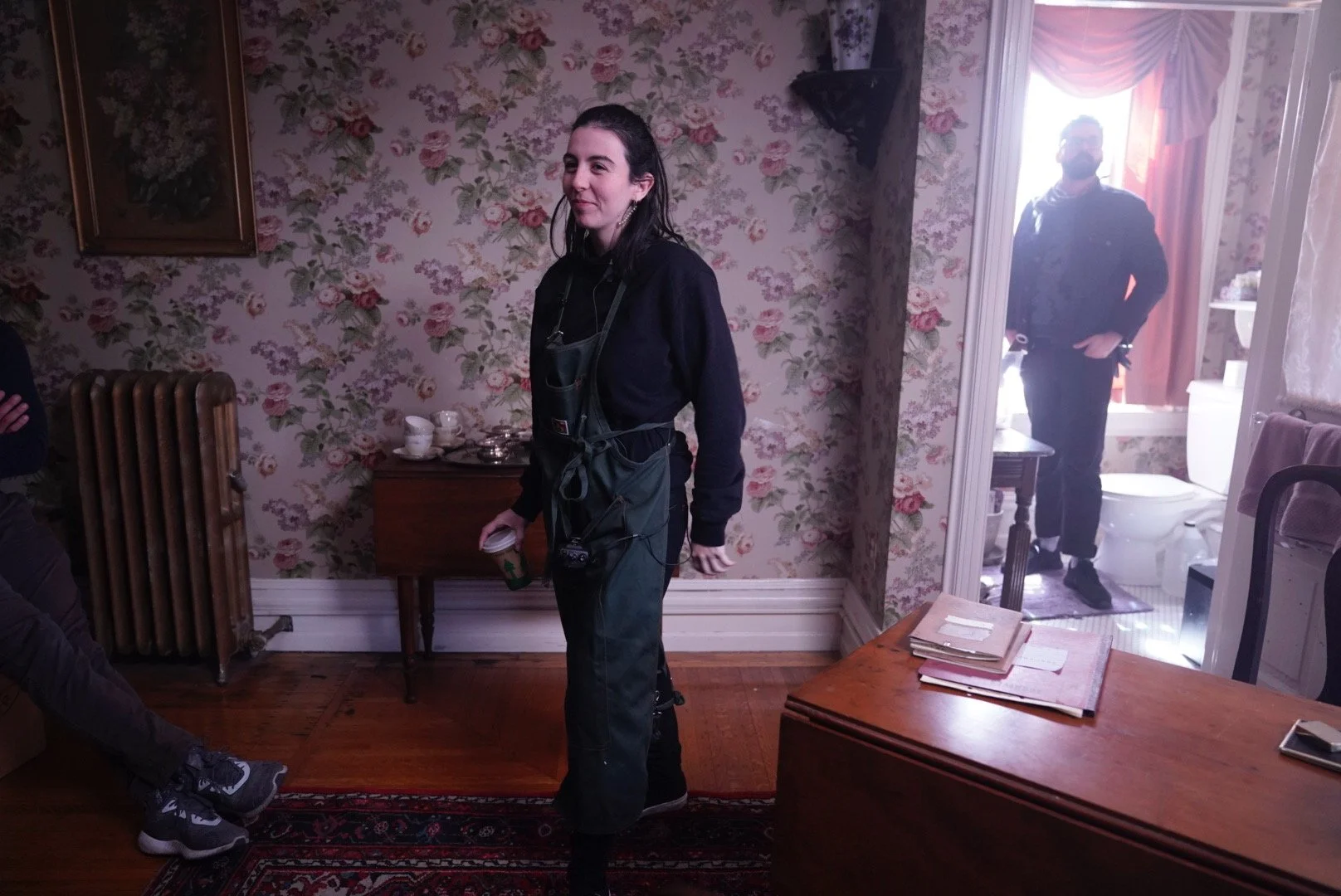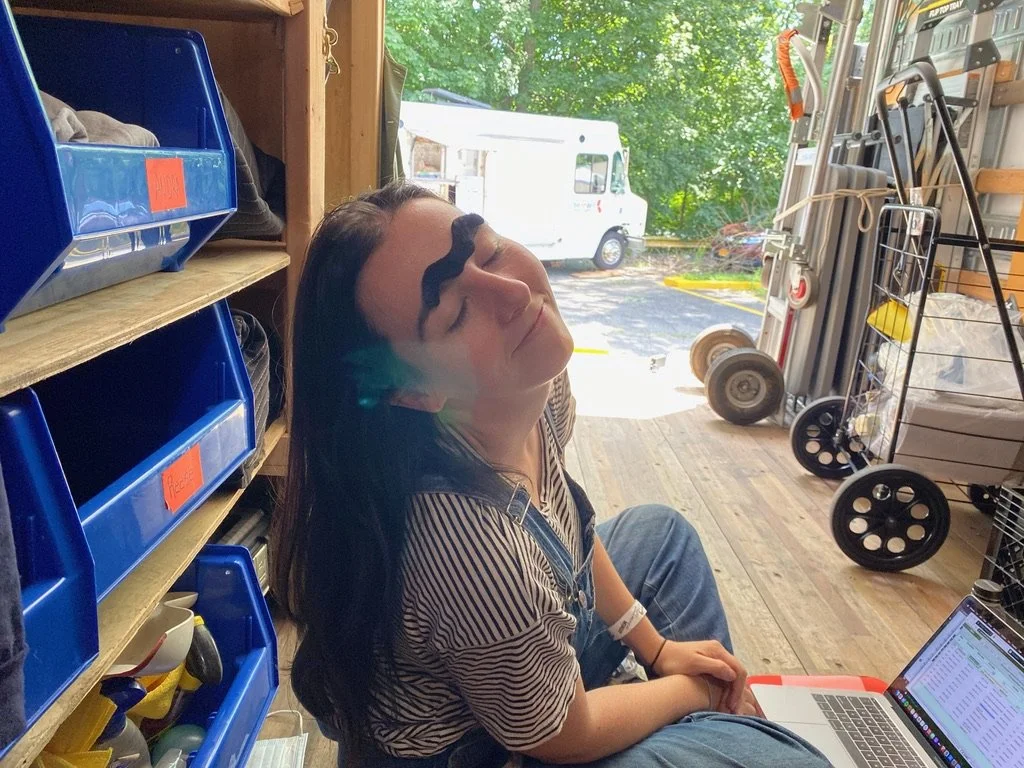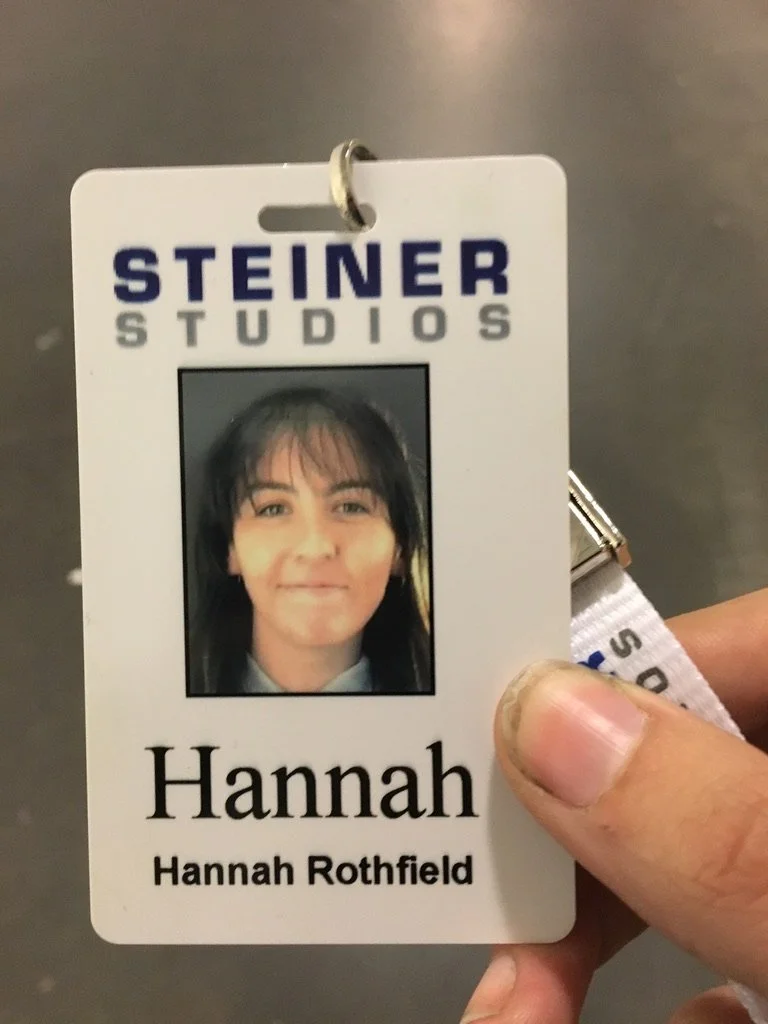
Hannah Rothfield is a prop historian, archivist, and museum professional with over a decade of experience working in film and television art departments, including as a property master. Her work examines the social and material lives of cinematic objects: how they are made and used, what happens to them after production, and how systems of preservation, collecting, display, and disposal shape what survives.

She is currently Director of Education, Outreach, and Private Events at the Banksy Museum in New York, where she develops educational programming, tours, workshops, institutional outreach, and public and private events.
A member of IATSE Local 52, Hannah has worked on productions including Frances Ha, Eileen, Search Party, Little America, Dickinson, The Wolf Hour, and The Kindergarten Teacher. Her experience sourcing, handling, tracking, and managing objects for production—and watching them disappear back into the machinery of filmmaking—has become foundational to her scholarship.
Hannah holds dual master’s degrees in History of Art and Design and Library and Information Science from Pratt Institute, with advanced certificates in Museum Studies and Design History. Her thesis, Reel Relics: The Afterlife of Cinematic Props in Museums, Private Collections, and Public Spaces, examines what becomes of cinematic objects once their usefulness to production ends and they are discursively reconfigured as artifacts, artworks, souvenirs, commodities, or waste. Props’ afterlives expose their paradoxical nature: material objects created to substantiate fictional worlds, they can come to acquire stories of their own.
In 2025, Hannah drew on a section of her thesis for an invited talk at the University of Turin, “Cinematic Relics and Cultural Conservation: The Case of Citizen Kane’s Rosebud,” presented at the international conference Original Copies: Digital Tools for Preservation in Cinema and the Other Arts.
Her doctoral project expands this research through film history, archival theory, and material culture studies, examining how props gain and lose meaning as they move from set to storage, collection to museum, commodity to refuse. These trajectories reveal tensions between preservation and obsolescence, sanctioned histories and informal economies, and material survival and disappearance, raising questions about labor, authorship, memory, value, and loss.